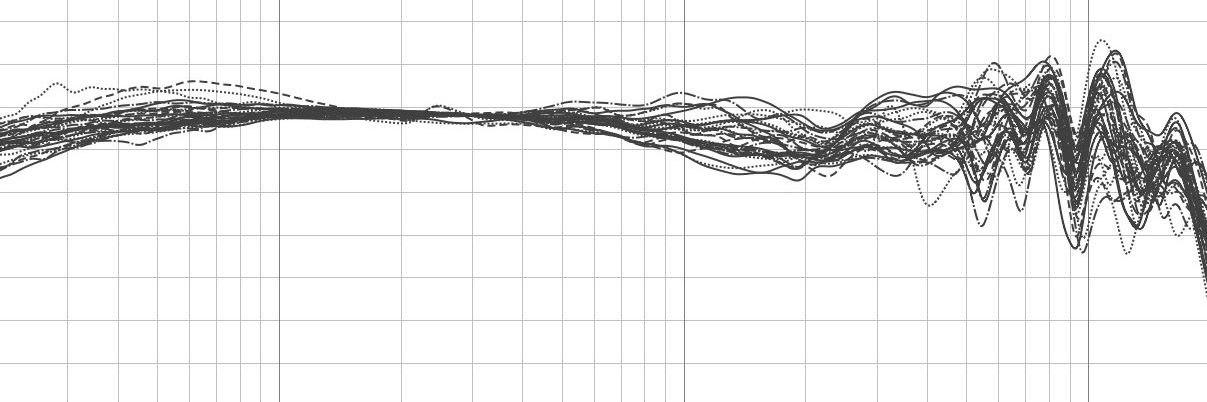


Tonality: Warm neutral. The first thing you hear would most likely be the elevated upper-bass/lower-mids region. Bass is strong but in a ‘wooly’ and ‘thumpy’ way, not as tight or punchy as planars. Mids are quite neutral concerning. A bit recessed around 1.5khz but this is balanced out by the lower midrange boost. Up from 2khz it has sufficient ear gain and treble energy, which means vocals are clear and present, and instruments are authetic and crisp. Some male vocals or lower female vocals can sound fuller than they should, but I find this colouration mostly enjoyable.
Technicality: Surprisingly competent given the tonality which tend to muffle things with its lower midrange boost. Dynamics and punch is decent. The dip around 1.5khz might have helped created a sense of space and prevented midrange vocals and instruments to sound too congested given the lower midrange boost. Meanwhile there’s enough treble and air to ensure instruments sound realistic and lively. In this sense, the Zeus is quite well tuned and this tonality certainly helped bringing out the technical potential of the driver. Imaging is quite amazing with the angled positioning of the drivers, almost at the level of the Beyer T1.
Pads: Now, this is bit of a Marslow’s hammer situation. I’ve found that the Dekoni Elite Velour pads can actually transform the Zeus’ pleasantly couloured tonality with its tastefully elevated midbass into a very neutral headphone. See the FR graph below (legacy KB006X measurement):

As you can see, not only the 1.5khz dip is now gone, the upper bass boost on the Zeus also disappeared. There’s only a slight bump at around 100hz which is similarly found on some Focal headphones. So the bass is tightened up. At first I was very excited to have found such a combination that I thought might have made the Zeus even better to listen to. But after actually spending some time listening, I thought to myself, do the dekoni pads really made them ‘better’? It turns out I actually prefer the stock Zeus tuning.
Sure, with the dekoni pads they sound more ‘correct’, perhaps aside from subbass roll-off which is just all too common for open-backs. If you are only going to buy and own one pair of headphones, the Dekoni Zeus would be a good option. But they are a lot less fun to listen to than in stock form. The original tuning albeit certainly coloured IMHO maintains a very tasteful balance between enjoyment and authenticity.
So that is what I learnt today. As the law of the instrument warns us, if the only tool you have is a hammer, it is tempting to treat everything as if it were a nail. The headphones measurement community has been booming in recent years. People like me who love to measure stuff could sometimes fall into the trap that whatever conforms to the target better should also sound better. But is it really the case? Maybe it’s all the better we don’t rush to conclusions.

One thought on “Harmonicdyne Zeus: measurement, pad rolling, and review [updated measurement]”